
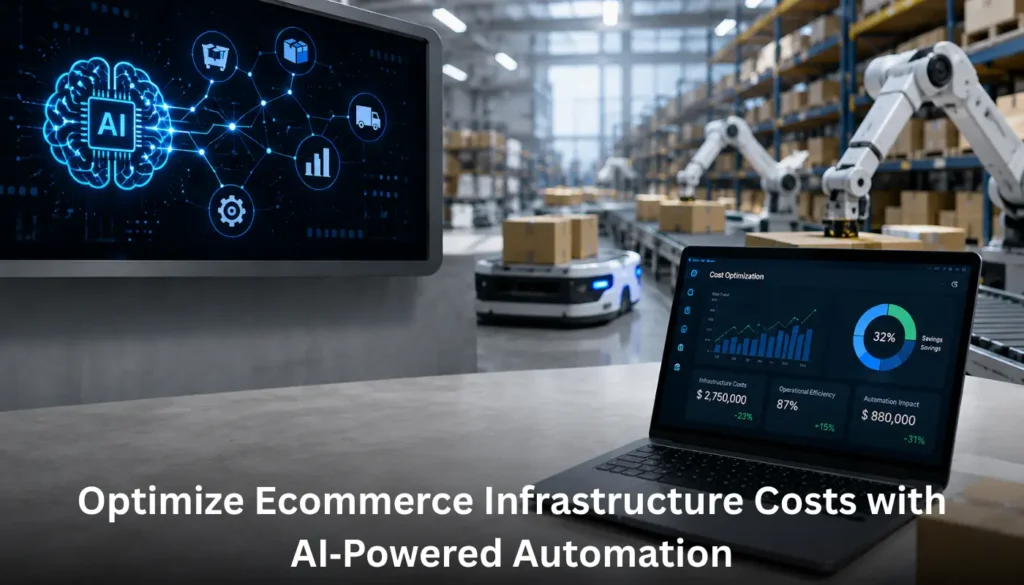
For many brands, the dream of global e‑commerce growth can quickly feel like a financial trap. You invest in marketplaces, build integrations, hire teams, and deploy tools—only to see your ecommerce infrastructure costs climb faster than your revenue. The hidden truth is that much of this spending isn’t growth; it’s friction. Manual processes, fragmented tools, and inefficient cross‑border operations silently inflate your overhead. That’s where automation and AI‑powered acceleration step in, carving out a new efficiency frontier that can reduce ecommerce infrastructure costs by up to 30% without sacrificing scale.
Most brands underestimate how much they pay just to keep the lights on. From hosting and middleware to integrations, analytics tools, customer support, and marketplace fees, ecommerce infrastructure costs accumulate across every layer of the stack. Scaling into new regions or adding marketplaces compounds this, introducing compliance, logistics, and localization overhead. The result is a bloated tech and operations footprint that eats into margins and slows innovation.
But there’s a smarter way. Instead of building and maintaining dozens of point solutions in‑house, brands are turning to e‑commerce automation platforms and AI‑powered e‑commerce accelerators to streamline their operations. These solutions unify data, workflows, and intelligence into a single layer that reduces complexity, minimizes manual work, and optimizes resource allocation. By automating repetitive tasks like listing optimization, inventory planning, and campaign management, brands can cut labor, reduce errors, and eliminate the need for redundant tools.

AI‑powered e‑commerce acceleration isn’t just about adding another tool; it’s about rethinking how you operate. Platforms like cross‑border e‑commerce automation engines and marketplace automation software act as the backbone of your digital ecosystem, connecting channels, analytics, and operations. They ingest data from Amazon, Walmart, regional marketplaces, and D2C channels, then apply machine‑learning models to surface insights, optimize pricing, forecast demand, and monitor brand health.
For brands entering new markets, this is transformative. Instead of hiring local teams for each country, you can implement AI‑powered marketplace automation to manage listings, campaigns, and compliance in real time. An AI‑powered marketplace analytics dashboard provides a single source of truth, letting you track performance, identify bottlenecks, and allocate budgets where they matter most. This reduces the need for costly consulting, manual reporting, and firefighting.
AI’s impact on ecommerce infrastructure costs is multifaceted. First, it slashes labor expenses by automating tasks like order management, settlement reconciliation, and customer segmentation. Instead of teams spending hours on spreadsheets and emails, AI handles data aggregation, anomaly detection, and workflow triggers. This frees up talent for strategic initiatives like product development and market expansion.
Second, AI improves efficiency by optimizing inventory and logistics. By analyzing demand patterns, seasonality, and regional trends, AI improves inventory planning for brands, reducing overstock and stockouts. This directly lowers warehousing costs, transportation expenses, and the risk of write‑offs. Similarly, AI‑driven demand‑generation platforms can optimize ad spend, targeting the right audiences at the right time to maximize ROI.
Third, AI mitigates risk and compliance costs. Cross‑border e‑commerce analytics platforms monitor regulations, tax rules, and marketplace policies, flagging issues before they become penalties. This prevents costly fines, product delistings, and reputational damage. AI also detects counterfeit listings and brand infringements, protecting revenue and brand equity.
When brands ask how to reduce e‑commerce infrastructure costs while scaling globally, the answer often starts with strategy. Market sizing is critical—understanding the potential of each region helps prioritize where to invest. For example, North America and Europe offer mature marketplaces and strong logistics, while Asia and Latin America present high‑growth opportunities with unique regulatory and cultural nuances.
Once you’ve identified target regions, a marketplace‑by‑marketplace entry strategy is essential. Each marketplace has its own rules, fee structures, and customer expectations. Automation platforms can standardize onboarding, listing creation, and compliance checks, ensuring consistency while reducing setup time. Whether you’re launching on Amazon US, Walmart Canada, or regional platforms in India or Southeast Asia, a unified approach simplifies expansion.
Compliance and taxes are non‑negotiable. A compliance & taxes checklist embedded in your automation stack covers VAT, GST, customs, and invoicing requirements. This ensures you’re always audit‑ready, avoiding penalties and delays. Cross‑border logistics architecture is equally important—integrating AI‑driven logistics partners that optimize routes, consolidate shipments, and track inventory in real time cuts transportation costs and improves delivery speed.

Selling globally isn’t just about shipping; it’s about resonating locally. A robust localization strategy adapts language, imagery, and pricing to regional preferences. AI‑powered tools can translate product descriptions, adjust measurements, and even tailor recommendations based on cultural norms. This boosts conversion rates and reduces returns, directly impacting ecommerce infrastructure costs by improving operational efficiency.
Digital marketing in new markets requires precision. AI‑powered e‑commerce accelerators can optimize ad campaigns, A/B test creatives, and allocate budgets based on performance data. By analyzing customer behavior, search trends, and competitor activity, these platforms ensure you’re spending on channels that drive sales. This reduces wasteful ad spend and increases customer lifetime value.
To execute this strategy, brands need the right tools. Beyond generic CRM and ERP systems, a cross‑border e‑commerce automation stack should include AI‑powered order management, inventory planning, demand‑generation, and analytics. A marketplace automation software handles listing syndication, pricing, and promotions, while an AI‑powered marketplace analytics dashboard provides real‑time insights. Integrating these with your existing systems via APIs ensures data flows seamlessly, eliminating silos.
When choosing a partner, brands should choose an AI‑powered marketplace accelerator that offers scalability, security, and ongoing support. Look for case studies demonstrating measurable cost reductions, such as a 30% drop in ecommerce infrastructure costs within 12 months. This proves the platform can deliver on its promises.
To know if your automation strategy is working, brands need clear KPIs. Metrics like cost per order, inventory turnover, delivery time, and customer satisfaction reveal how well your architecture performs. A cross‑border e‑commerce analytics platform tracks these in real time, letting you adjust tactics quickly. Regular audits ensure your stack stays lean and effective.
Common mistakes include over‑investing in tools, ignoring compliance, or underestimating localization. Brands that apply for AI‑powered e‑commerce acceleration without a clear plan often waste resources. Instead, start small—target one region, measure results, and scale gradually. Partnering with experts who understand how to optimize cross‑border supply chain costs and how to automate marketplace listing optimization can prevent costly errors.

Reducing ecommerce infrastructure costs by 30% through automation isn’t a distant fantasy; it’s a practical outcome for brands willing to embrace AI‑powered acceleration. By unifying channels, intelligence, and operations, platforms like e‑commerce automation platforms and cross‑border e‑commerce automation engines transform complexity into clarity. They cut labor, optimize resources, and protect against risk, freeing you to focus on innovation and growth.
If you’re ready to explore this path, hire an e‑commerce acceleration partner who understands your vision. Schedule a consultation, share your goals, and see how automation can revolutionize your cost structure. The future of e‑commerce is efficient, intelligent, and scalable—yours can be too.