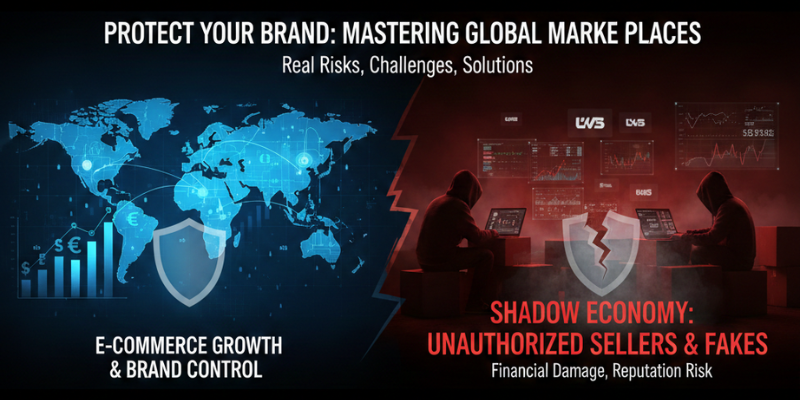
E-commerce growth has brought with it a shadow economy where unauthorized sellers and counterfeit products threaten your brand’s finances and reputation. Understanding how these unauthorized sellers operate, the financial damage they cause, and the steps to remove them can protect your business and restore pricing for international markets control. This guide will walk through the real risks, challenges, and solutions for brands seeking to dominate global marketplaces with confidence.
The shadow economy refers to unauthorized sellers and counterfeit goods that operate outside the brand’s official distribution channels, often undermining pricing structures and diminishing brand trust. These sellers may distribute authentic goods acquired through unauthorized means, or outright fakes posing as genuine products.
This shadow market breeds confusion among customers, price pressure on legitimate sellers, and financial losses that ripple through your business. Counterfeit products damage your reputation and can leave consumers dissatisfied due to inferior quality or lack of warranty support.
When unauthorized sellers flood global marketplaces, brands face several financial challenges:
Smart brands analyze pricing for international markets carefully, including factors like regional demand and competition, to maintain a sustainable pricing model that unauthorized sellers compromise.
Selling products globally requires nuanced pricing strategies that reflect taxes, tariffs, shipping fees, and local purchasing power. Unauthorized sellers disrupt this delicate balance by offering products at prices that don’t reflect these realities, forcing authorized sellers into costly price wars.
Managing international pricing means you account for:
Failing to control unauthorized sellers means losing control over your pricing for international markets, which can cause widespread price pressure and erode brand equity.
One of the key aspects of pricing for international markets is understanding and managing shipping costs.
Using smart AI-backed platforms can ensure your calculated shipping costs ecommerce models are precise, real-time, and adaptable to international logistics challenges.
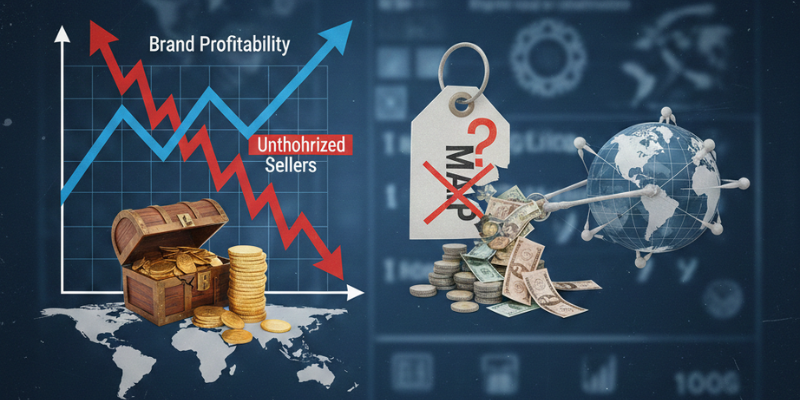
Unauthorized sellers operate with minimal adherence to pricing policies, often ignoring your Minimum Advertised Price (MAP) policies. Their tactics include:
This causes a domino effect where legitimate sellers must also lower prices to compete, resulting in price pressure and devaluation of your product’s perceived worth in global markets.
An effective response to the shadow economy involves a combination of technology, law, and strategic enforcement:
Implement robust MAP monitoring and enforcement across marketplaces to maintain consistent and fair pricing regardless of region.
Leverage sophisticated AI and machine learning platforms that scan e-commerce channels and marketplaces in real-time to find unauthorized listings and track pricing anomalies.
Work closely with platforms like Amazon, eBay, and regional marketplaces to quickly remove unauthorized sellers through brand protection programs.
Buy from suspicious sellers for evidence collection and pursue legal actions where agreements or IP rights are violated.
Raise awareness about authorized sellers and risks of purchasing from unknown or unauthorized sources to protect your brand’s reputation.

Controlling sellers across multiple international platforms adds complexity:
Integrated brand protection middleware, like Assiduus Global’s AI-powered solution, unifies these channels, giving brands real-time visibility and intelligence to manage cross-border seller networks effectively.
Brand protection isn’t only about removing unauthorized sellers. It’s about:
With evolving marketplace dynamics, using a comprehensive e-commerce acceleration partner that integrates brand protection with supply chain and marketplace intelligence is critical to stay ahead. AI-backed solutions can simplify enforcement and help brands scale globally without heavy investments in complex infrastructure.
No brand can afford to ignore the risks posed by the shadow economy of unauthorized sellers. Implementing technology-driven, proactive solutions to monitor, detect, and remove these sellers will protect your pricing for international markets, boost consumer trust, and safeguard revenue. Embrace AI-driven platforms that unify your e-commerce ecosystem to regain control and scale confidently worldwide.
Take control of your brand today—connect with experts who can help you shield your global marketplace presence and restore pricing control with cutting-edge solutions.